Technology Implementation
Supply Chain Technology Consulting
Warehouse systems should drive operational efficiency, inventory accuracy, and scalable supply chain performance. Summit plans, designs, and executes integrated technical solutions that bring clients to supply chain technology readiness.
The problem
Go-live is a date. Readiness is a condition.
A warehouse management system implementation is usually run to the integrator's milestones. Training slips, data quality is assumed, and the floor inherits a system nobody prepared them to run. Productivity drops in the weeks that matter most.
Summit works for the operation. We own readiness alongside the program: process design, configuration decisions, testing discipline, and the post-go-live weeks that determine whether the investment pays back.
How the work runs
- 01
Plan
Requirements, process design, and a readiness baseline built with the people who will run the system.
- 02
Design
Configuration, integration, and automation design mapped to real volumes, not vendor defaults.
- 03
Execute
Testing, training, data conversion, and cutover sequencing that protects service through go-live.
- 04
Sustain
Critical post-go-live support while the operation stabilizes and the numbers settle.
Phase Zero
Before implementation, get ready for it
Duration
6 to 8 weeks
Many organizations that want to transform their operations are not ready to start. Outdated processes, driven by legacy applications, get carried into a new system and become expensive to unwind later.
Phase Zero aligns client teams on transformational goals and responsibilities, identifies current state gaps and risks, and agrees on the best practices to carry forward. It runs before design begins and drastically reduces the risk attached to the rest of the program.
Phase Zero prepares the organization for the Plan → Design → Execute → Sustain cycle.
- 01
Strategic Alignment
- Alignment with key stakeholders on the sales, profitability, and customer experience goals of the program.
- Roles and responsibilities (RACI) alignment so internal teams share the same implementation expectations.
- Organizational gaps identified, with a decision on how to fill missing roles internally or through a partner.
- 02
Current State Process Definition
- High-level business process maps that surface how work actually runs today across banners and sites.
- Process gaps identified and reviewed against best practices worth adopting.
- Business requirements documented to support the strategic goals already agreed.
- 03
Current State Architecture
- Evaluation of whether the current enterprise architecture can carry the documented requirements.
- Risk assessment covering technology risk, typically legacy or outdated applications, with options to consider.
- Integration strategy for the corporate systems the new platform has to live alongside.
- 04
Future State Solutioning
- Cross-functional workshops to find improvement opportunities and agree what should be standardized.
- Go-forward process requirements documented before design starts.
- High-level change management plan to support the systems being implemented.
What you leave with
- Clearly defined program goals and an overall program RACI.
- Current state processes and infrastructure defined, with key gaps and risks identified.
- Recommended future state processes based on best practices and product knowledge.
- High-level change management plan to support the implementation.
- Baseline operational performance metrics of the current state, for comparison and business justification after implementation.
Capabilities
- Warehouse Management Implementations
- Transportation Management System Implementations
- Critical Post-Go-Live Support
- Warehouse Modernization and Automation
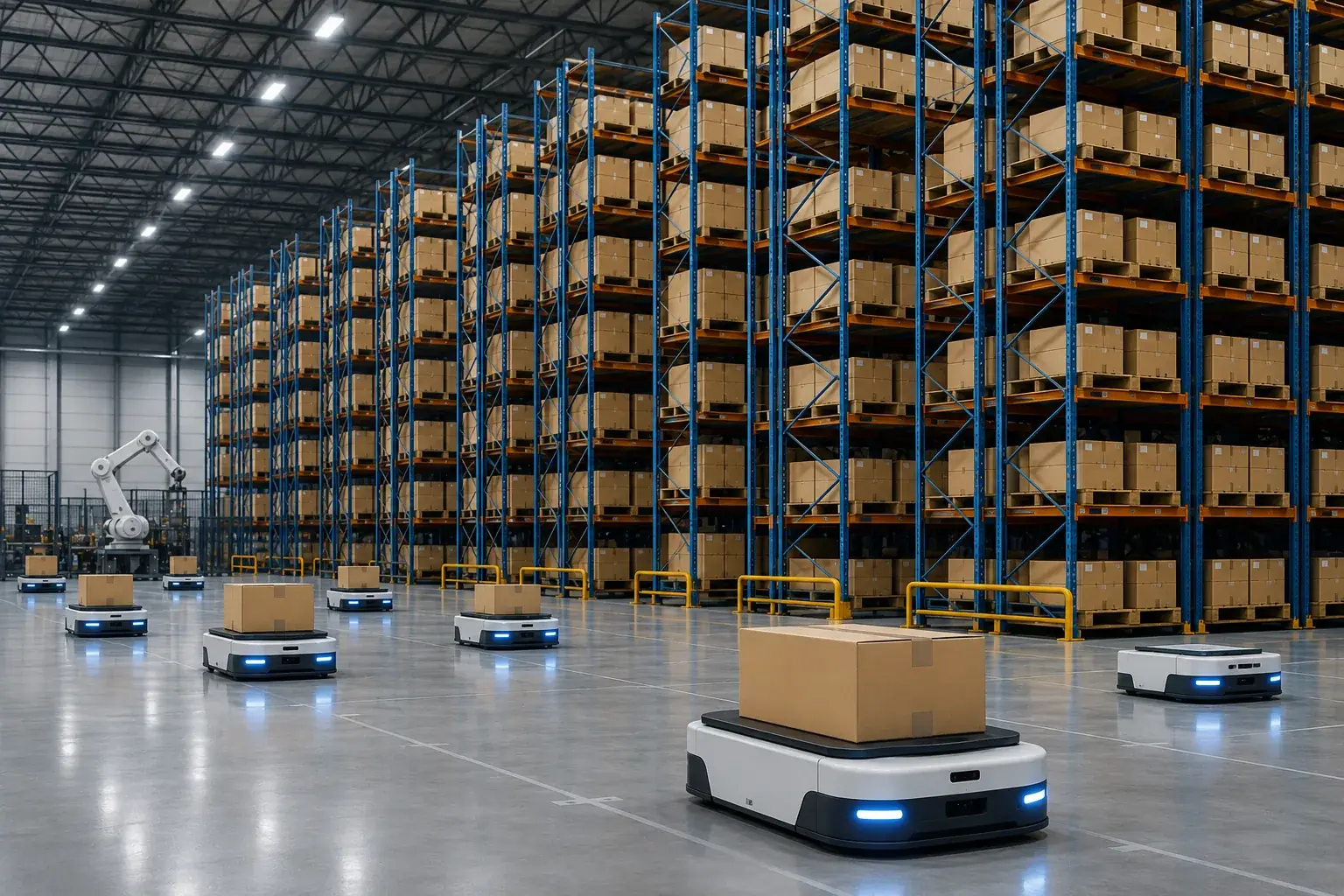
Warehouse automation consulting is scoped to the operation's real constraints: labor availability, building geometry, and volume profile, so modernization lands in the right sequence.
Certification
MAWM certified
Summit holds MAWM certification and is a Manhattan Associates Consulting Silver Partner.
Why Summit
Technologists who have also run the floor
We represent the operation
Configuration decisions are made against how the building actually works, not the demo script.
We stay past cutover
Critical post-go-live support is part of the engagement, not a change order.
We connect systems to strategy
Implementation is sequenced against the network and operating model, so the system fits the plan.
Related
Modernization inside a live network consolidation
In the beauty-retail consolidation, modernization was sequenced site by site so systems and automation landed as volume moved between facilities.
Common questions
What clients ask before the first call
- How long does a WMS implementation take?
- Timeline is driven by scope, integration count, and how much process change ships with the system, not by the software alone. A single-site deployment on standard functionality is a very different program from a multi-site rollout with automation. We size it against your operation before committing to a date.
- What does post-go-live support cover?
- The stabilization period most implementations underinvest in: exception handling, throughput recovery, user coaching, configuration tuning, and the reporting leadership needs to see that the operation is back to plan. This is where Summit advisors spend a great deal of their time, because it is where implementations succeed or quietly fail.
- Do you implement a specific WMS or TMS platform?
- Our advisors have implemented and operated across major warehouse and transportation platforms, and we hold MAWM certification. We are platform-literate rather than platform-loyal, and we can support selection as readily as deployment.
- How do you evaluate whether we are ready for automation?
- We look at volume stability, order and SKU profile, labor availability, building constraints, and the process discipline already in place. Automation amplifies whatever operation it lands in, so readiness work often precedes the capital decision.
- Can you take over an implementation already in progress?
- Yes. Recovering a program that has slipped is a frequent reason clients call us, whether the gap is integration, process design, change management, or program leadership.
Next step
Get a Supply Chain Assessment
Whether the program is scoping or already mid-flight, we can tell you where readiness stands.