
Operations & Execution
Supply Chain Operations Consulting
We don't stop at the recommendation. Our team embeds with yours to close efficiency gaps and manage the operational levers that move cost. We stay through the program until it is done.
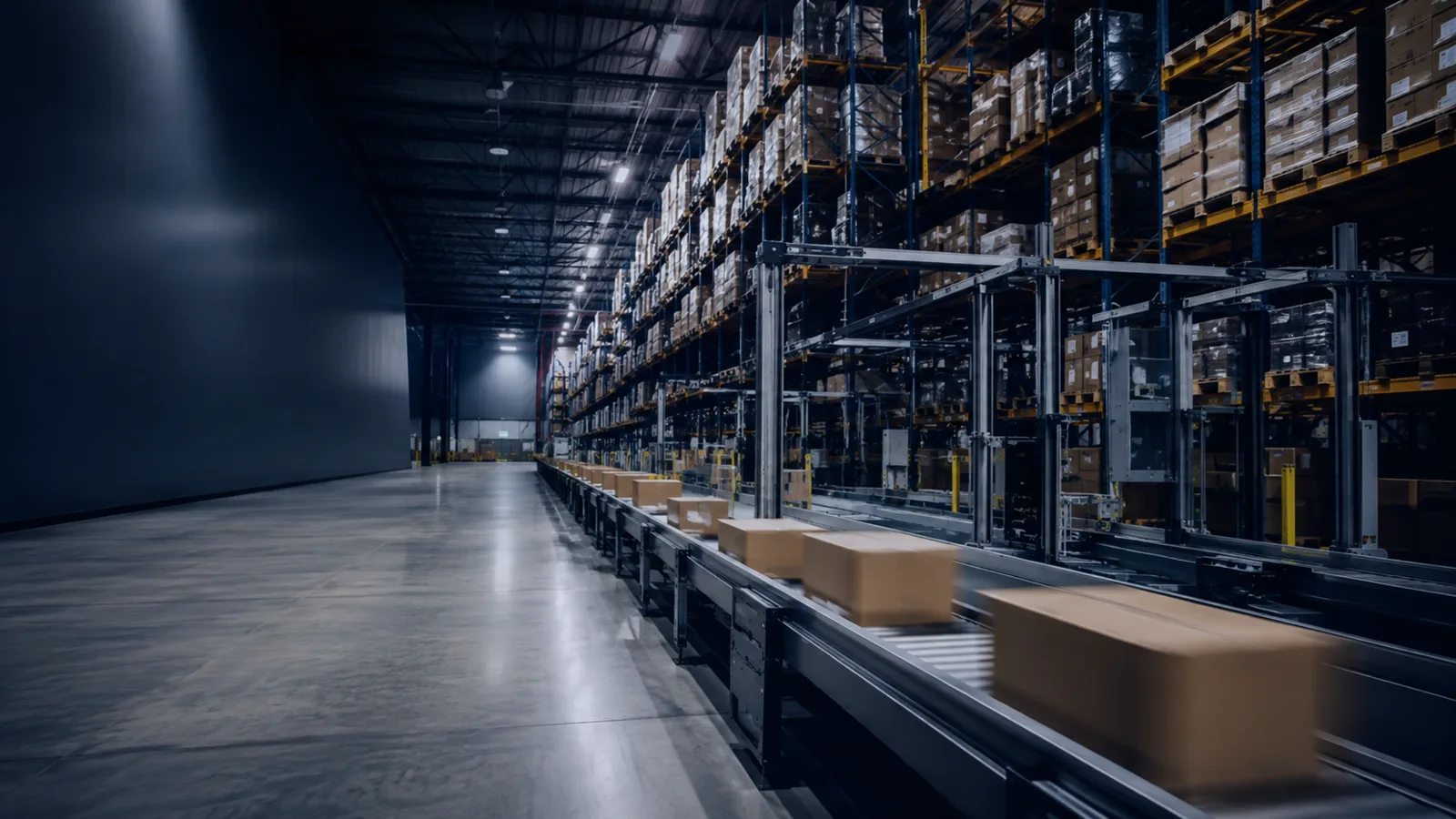
The problem
The Plan is fine. The execution is where it breaks.
Cost per unit climbs, the labor plan no longer matches volume, freight spend outruns the budget, and inventory sits in the wrong place. The team can see it. They just have no bandwidth to work the detail while running the day.
Summit puts operators inside the operation. We work the levers with your leaders, not around them, and we hold the program schedule until the change is real.
Capabilities
Seven levers, one accountable team
Engagements are scoped to the levers that actually move your cost and service, from inventory optimization consulting through full supply chain program management.
Cost
- Operational Efficiencies
- Labor Management
Flow
- Transportation Analysis
- Inventory Analysis
Capability
- Industrial Engineering Support
- Business Analyst Support
Delivery
- Project and Program Management
Where we work
Throughput is won across the whole flow, not at one station
- 01 →
Receive
Dock Scheduling, appointment discipline, and receiving accuracy.
- 02 →
Store
Slotting, inventory placement, and cycle-count integrity.
- 03 →
Pick & Pack
Labor standards, travel reduction, and throughput per hour.
- 04
Ship
Load building, carrier mix, and lane-level cost control.

Why Summit
Advisor-operators who stay through sustainment
Embedded, not observing
We sit with your leaders on the floor and in the planning meetings.
Analysis with an owner
Every recommendation has a named person carrying it to completion.
Change that survives us
Standards, analytics, and training so the gains hold after we leave.
Related work
Unified routing and capacity across a consolidated beauty-retail network, with modernization sequenced so service holds while volume shifts.
Read the case study →Inventory positioned closer to customers and long-distance LTL spend reduced across a five-year rollout for a DIY solar distributor.
Read the case study →Common questions
What clients ask before the first call
- What comes out of a labor or transportation analysis?
- A quantified picture of where time, cost, and capacity are being lost, and a prioritized list of changes ranked by effort against impact. That usually spans process, staffing model, slotting, routing, carrier mix, and the reporting needed to hold the gains.
- How quickly do improvements show up?
- Some changes are process and scheduling adjustments that operators feel within weeks. Others depend on system changes, contract cycles, or peak calendars. We sequence the work so early wins fund the confidence for the larger changes, and we are direct about which is which.
- How do you work alongside our existing team?
- Embedded, not adjacent. Our advisors work on the floor and in your systems with your leaders, transferring method as they go. The goal is an operation your team can run without us, with the analytics and documentation to sustain it.
- Do you need our WMS or ERP data to start?
- Meaningful analysis needs real transactional data, but you do not need a perfect data environment to begin. We regularly work with exports, partial history, and imperfect master data, and we tell you early where a gap will limit the conclusions.
- Can you support a single site rather than the whole network?
- Yes. Single-facility engagements are common, particularly where one site is constraining service or absorbing disproportionate cost.
Next step
Get a Supply Chain Assessment
Tell us which cost line is moving the wrong way. We will show you how we would work it.